
Control, Autonomy, and Equality
After We FellThe couple’s recurring conflicts test whether protection and devotion can coexist with personal freedom and equal decision-making.
increasing Bearing strength in each event
 decreasing
Bearing strength in each eventdecreasingA Protective Instinct
A Protective Instinct
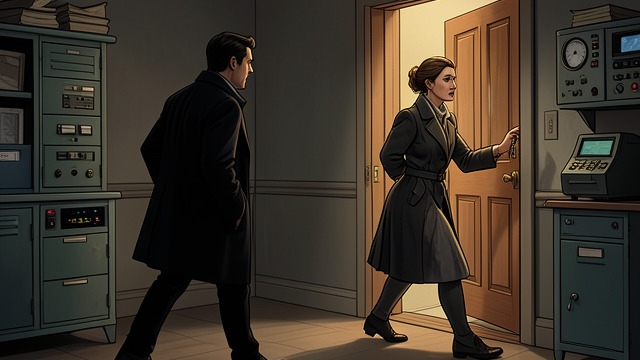
Hardin watches Richard
Hardin treats Tessa’s returning father as a possible threat and tries to control how close Richard can come. His concern is mixed with contempt and suspicion.
Tessa claims a say
Tessa insists the apartment is hers too and chooses to invite Richard in. Her choice establishes that Hardin’s protectiveness cannot replace her judgment.
The Seattle Ultimatum

The Seattle Ultimatum
A choice imposed
Hardin tells Tessa to choose between him and Seattle. He treats her decision as a test of love rather than a legitimate career choice.
Autonomy becomes central
Tessa refuses to give up her future simply to reassure him. The conflict makes equality, not only affection, the central issue between them.
The Ban on Zed
The Ban on Zed
Hardin sets a rule
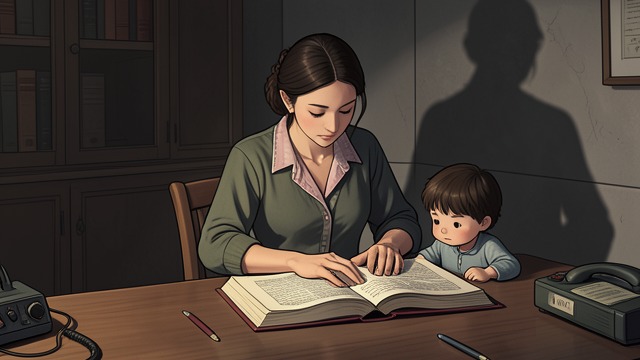
Hardin tells Tessa that Zed cannot visit Seattle. His jealousy has a history, but he expresses it as a unilateral prohibition.
Tessa examines her own choice
Tessa later decides independently that she cannot sustain a friendship with Zed. The outcome resembles Hardin’s demand, but the reasoning belongs to her.
A Language of Equals

A Language of Equals
Tessa names the problem
Tessa says that she wants to make decisions without thinking about Hardin’s permission. She wants them to be partners with neither holding more power.
An incomplete agreement
Hardin hears her and accepts that distance has helped them communicate. Yet his jealousy and possessiveness continue to challenge the equality she has described.
The Controlling Circle Widens

The Controlling Circle Widens
Multiple demands converge
Hardin wants Tessa to leave Christian’s family and return with him, while Tessa must also respond to work, housing, and her father’s needs. Several people try to decide what is best for her.
A question left open
Tessa’s autonomy depends on whether love will support her choices rather than absorb them. The story does not offer an easy formula for balancing closeness and independence.
When Richard first arrives
After the university hearing
During Tessa’s first week in Seattle
After Hardin’s Seattle visit
After Hardin’s affair crisis in Hampstead
